

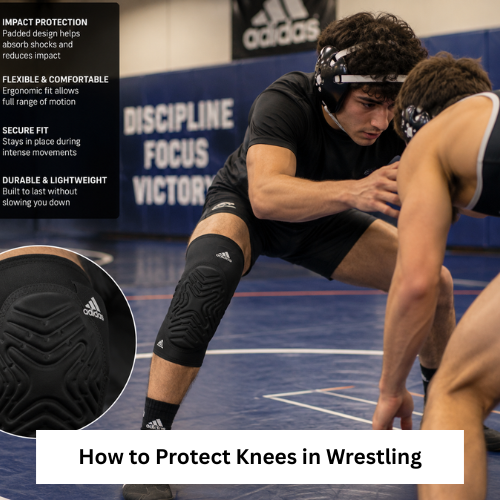
Wrestling puts constant pressure on the knees. Every shot, sprawl, scramble, and mat return can force the joint to absorb impact while the athlete is moving fast. Because of that, knee protection should not be treated as an optional accessory. It should be part of a complete training routine that includes warmups, technique control, recovery habits, and the right gear. Athletes who want dependable support can also compare options in the wrestling knee pads category before choosing daily practice gear.
Quick Answer
The best way to protect knees in wrestling is to combine proper warmups, controlled drilling, strong leg mechanics, supportive kneepads, and smart recovery. Kneepads can reduce mat impact and friction, but they work best when the athlete also trains with good stance, safe penetration steps, and consistent mobility work.
Why Knee Protection Matters in Wrestling
The knee is one of the most active joints in wrestling. It helps the athlete level change, drive forward, circle, defend shots, and finish takedowns. During a normal practice, the knees may touch the mat dozens or even hundreds of times. Without protection, repeated contact can lead to bruising, irritation, swelling, and discomfort that affects movement quality.
Protection is not only about avoiding one major injury. It is also about reducing small stress that builds over time. A wrestler with sore knees may hesitate during shots, avoid pressure in bottom position, or lose speed during scrambles. Better knee care helps athletes train more consistently and move with confidence.
Knee Protection Checklist for Wrestlers
|
Protection Step |
Why It Helps |
Best Practice |
|
Dynamic warmup |
Prepares the knee, hip, and ankle for fast movement |
Use lunges, hip circles, light stance motion, and controlled shots |
|
Proper kneepads |
Reduces impact and mat burn during practice |
Choose secure padding that does not slide during drills |
|
Strong stance |
Keeps pressure distributed through hips and legs |
Avoid collapsing the knees inward during shots |
|
Mat awareness |
Reduces unnecessary hard contact |
Drill controlled finishes instead of falling onto the knee |
|
Recovery habits |
Helps manage soreness after practice |
Use rest, light mobility, and coach-approved care when needed |
Choose Kneepads That Match Your Training Style
Not every wrestler needs the same type of kneepad. A beginner may need more cushioning because their shots and finishes are still developing. A faster athlete may prefer lightweight wrestling kneepads that allow quick movement without bulky padding. Someone who trains daily may want a balanced design that offers compression, grip, and mat protection.
Fit matters as much as padding. A kneepad that slides down during live wrestling can distract the athlete and expose the knee at the wrong time. A kneepad that feels too tight can restrict motion. The best choice should stay in place, bend naturally, and protect the front of the knee without limiting stance movement.
Use Better Technique to Reduce Knee Stress
Good technique is one of the strongest forms of knee protection. When a wrestler shoots with poor posture, the knee often takes more impact than necessary. Coaches usually teach athletes to keep the chest up, step deep, drive through the hips, and avoid dropping straight down onto the kneecap.
Defensive movement also matters. During sprawls and scrambles, athletes should avoid twisting the knee while the foot is trapped. Controlled drilling helps the body learn safer patterns before high-speed live rounds. Over time, better mechanics can reduce both impact and awkward joint pressure.
When Compression Sleeves Can Help
Some athletes use sleeves for warmth, light support, or comfort during long practices. They are not the same as padded kneepads, but they can be useful for wrestlers who want a close fit and flexible joint coverage. A detailed breakdown of compression knee sleeves for athletes can help compare sleeve support with padded protection.
For wrestling, sleeves are usually better for light support, while kneepads are better for repeated mat contact. Some athletes use both depending on practice intensity. The key is choosing gear that supports the workout without hiding pain that needs rest or professional attention.
Common Knee Protection Mistakes
|
Mistake |
Why It Causes Problems |
Better Choice |
|
Using oversized kneepads |
They slide during shots and scrambles |
Pick a snug fit with stretch and grip |
|
Skipping warmups |
Cold joints handle impact poorly |
Warm up before drilling or live rounds |
|
Ignoring soreness |
Small irritation can become a bigger issue |
Rest and monitor pain early |
|
Only training hard shots |
Bad habits increase impact stress |
Mix technical reps with live speed |
|
Using worn padding |
Old foam loses impact protection |
Replace kneepads when padding breaks down |
Best Internal Support Pages to Use Next
Wrestlers who want a complete protection setup should also review knee protection for mat training, compare products in the knee pads category, and check other training essentials in the shop.
FAQs
Should wrestlers wear kneepads during every practice?
Many wrestlers benefit from wearing kneepads during regular practice, especially during drilling, live wrestling, and takedown work. The right choice depends on comfort, training volume, and knee sensitivity.
Are knee sleeves enough for wrestling?
Knee sleeves can provide warmth and light support, but they usually do not offer the same impact protection as padded wrestling kneepads.
How tight should wrestling kneepads be?
They should feel secure without cutting circulation or limiting movement. If they slide, bunch up, or leave strong pressure marks, the fit may be wrong.
Can kneepads prevent all wrestling knee injuries?
No gear can prevent every injury. Kneepads help reduce impact and friction, but technique, strength, warmups, and recovery are also important.
Final Verdict
Knee protection in wrestling works best as a complete system. Athletes should not rely only on gear, and they should not ignore gear either. The safest approach is to combine quality kneepads, smart warmups, controlled technique, and consistent recovery. When these habits work together, wrestlers can train harder, move better, and reduce unnecessary knee stress during mat work.
