

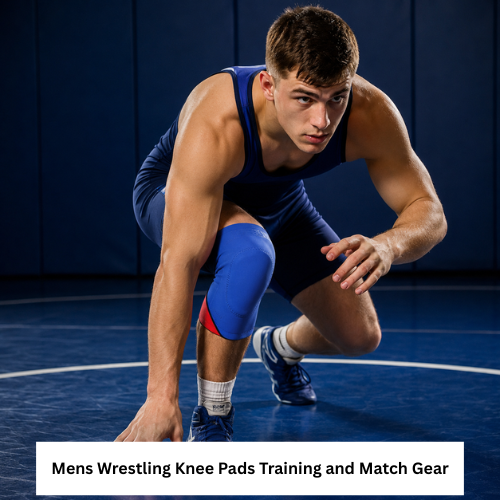
Choosing mens wrestling knee pads starts with fit, movement, and the type of mat contact expected during drills or competition. A pad that slides, bunches behind the knee, or restricts bending can distract the wrestler even when the padding feels substantial.
Wrestling knee pads offers adult sleeves and traditional kneepad designs, but buyers should verify the listed size chart, materials, padding location, care instructions, package quantity, and competition rules before ordering.
How Mens Wrestling Knee Pads Should Fit
Measure the leg at the points required by the manufacturer while the athlete is standing naturally. The sleeve should stay centered over the kneecap without cutting into the thigh or calf, leaving deep marks, or rolling during a full squat.
A mens nylon neoprene wrestling kneepad can provide a traditional single knee option when the selected size fits securely without creating pressure behind the joint.
A Matman neoprene wrestling knee pad may suit wrestlers seeking a shaped protective design, but the exact padding coverage and size availability should be verified before buying.
Try mens wrestling knee pads during stance changes, penetration steps, sprawls, kneeling, and controlled mat movement before match day. The athlete should be able to flex and extend the knee without the pad twisting away from the impact area.
| Gear Check | Training Priority | Match Priority | What to Verify Before Buying |
| Padding level | Repeated drill contact | Protection without excess bulk | Thickness and coverage area |
| Sleeve fit | Comfort over longer sessions | Secure position during fast movement | Size chart and grip design |
| Breathability | Sweat management | Stable fit when warm | Fabric and ventilation details |
| Profile | May allow more cushioning | Must meet team and event rules | Competition acceptance |
| Durability | Frequent washing and mat use | Reliable seams and padding | Care method and warranty |
A Brute Torq wrestling kneepad considered for practice or competition when its fit, construction, and current event eligibility match the wrestler’s needs.
An ASICS Gel II wrestling knee sleeve may appeal to athletes who prefer a sleeve format, but buyers should confirm whether the product is sold singly or as a pair and check the exact color and size before ordering.
A padded wrestling compression sleeve can combine leg coverage with localized padding when its length and grip do not interfere with shoes, socks, or the singlet.
A reversible adult wrestling kneepad example can help buyers compare listed sizing, profile, and construction before selecting match gear.
Setup and Compatibility Checks
Put each pad on clean dry skin and position the protective section directly over the kneecap. Smooth the fabric without folding the upper or lower edge. Do not modify seams, cut the sleeve, or add unapproved tape merely to correct a poor fit.
Confirm team, school, college, tournament, or governing body equipment rules before competition. Color, logos, exposed hard parts, condition, and construction review differently by an official, so verify current rules rather than relying on an old event experience.
Knee pads are protective gear and cannot prevent every bruise or injury. Pain, swelling, instability, numbness, or reduced motion assessed by an appropriate medical professional rather than covered with tighter equipment.
Troubleshooting Common Problems
If the pad slides down, recheck sizing and whether sweat or fabric stretching has reduced grip. A smaller size is not automatically safer because excessive compression can cause discomfort or circulation concerns.
If padding rotates, confirm that the sleeve is centere and that the protective zone matches the athlete’s kneecap position. If seams rub, inspect for damage and try the gear during short controlled practice before extended use.
Cleaning Maintenance and Replacement
Follow the product care label for washing and drying. Close any hook and loop sections before washing when directed and avoid heat or chemicals that the manufacturer does not approve.
Air out mens wrestling knee pads after every session and store them completely dry. Inspect stitching, elastic, padding shape, grip areas, and fabric thinning regularly. Replace gear when it no longer stays positioned or the padding is permanently compress, torn, or exposed.
Buying Checklist
- Measure the leg using the exact brand instructions
- Check adult size range and single or pair quantity
- Compare padding coverage with training and match needs
- Test squat stance shot and sprawl movement
- Confirm team and competition compatibility
- Inspect seams grip fabric and padding construction
- Review cleaning drying and storage instructions
- Check warranty return policy delivery and customer support
- Verify every product specific detail before buying
Conclusion
The best mens wrestling knee pads should remain centered, allow full wrestling movement, and provide the level of padding the athlete prefers for training or matches. Compare size charts, construction, rules, care needs, and return terms before committing to a pair or single sleeve.
FAQ
Should wrestling knee pads feel tight?
They should feel secure without causing numbness, deep pressure marks, restricted bending, or discomfort.
Are adult wrestling knee pads sold as pairs?
Not always. Confirm whether the listing includes one pad, one sleeve, or a pair before buying.
Can the same knee pads be used for practice and matches?
They may be suitable for both when the fit remains stable and the current competition rules allow the design.
How often should wrestling knee pads be washed?
Follow the care label and clean them often enough to manage sweat and mat residue without damaging the materials.
When should a wrestling knee pad be replaced?
Replace it when padding is damaged, seams open, elasticity fails, or the pad no longer stays over the knee.
