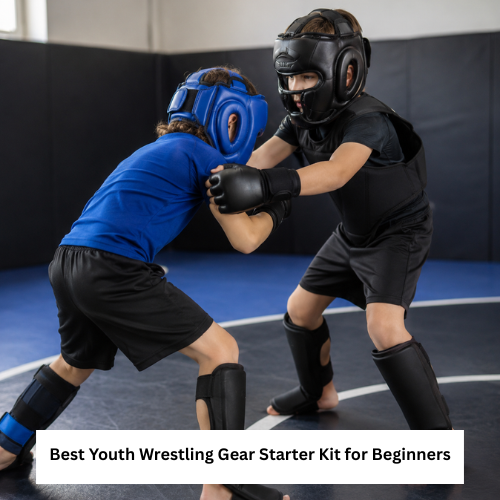
A youth wrestler does not need the most expensive setup on day one. However, beginner athletes do need gear that protects them, helps them move comfortably, and supports safe practice habits. A good starter kit should include protective kneepads, secure headgear, proper shoes, practice clothing, hygiene items, and a simple training bag. Parents can begin by comparing core items in the knee pads category and then build the rest of the kit around practice needs.
Quick Answer
The best youth wrestling gear starter kit includes wrestling shoes, kneepads, headgear, a mouthguard when required, compression shorts or practice clothes, a water bottle, hygiene wipes, and a gear bag. For beginners, comfort and fit are more important than advanced features. Gear should help the athlete feel safe, mobile, and ready to learn.
Why Youth Wrestling Gear Needs a Simple Plan
Parents often feel overwhelmed when buying wrestling gear for the first time. There are many products, brands, sizes, and accessories. The better approach is to start with safety and practice basics. A young athlete needs protection first, then comfort, then performance extras.
Good starter gear also builds confidence. When kneepads fit correctly, headgear stays secure, and shoes grip the mat, the athlete can focus on learning stance, motion, and technique. Poorly fitted gear creates distractions and can make early practices less enjoyable.
Youth Wrestling Starter Kit Checklist
|
Gear Item |
Purpose |
Buying Tip |
|
Wrestling shoes |
Provide mat grip and ankle-friendly movement |
Choose snug but not painful fit |
|
Wrestling kneepads |
Protect knees during shots, drills, and scrambles |
Look for secure padding that stays in place |
|
Headgear |
Protects ears during practice and matches |
Adjust straps before live wrestling |
|
Practice clothes |
Keeps movement clean and comfortable |
Use fitted athletic clothing without loose fabric |
|
Water bottle |
Supports hydration during long sessions |
Choose an easy-to-clean bottle |
|
Hygiene items |
Helps reduce odor and mat-related skin concerns |
Pack wipes, towel, and clean clothes |
|
Gear bag |
Keeps equipment organized |
Use a ventilated bag when possible |
Start With Kneepads and Mat Protection
Kneepads are one of the most useful items for new wrestlers because beginners often place extra impact on the knees while learning shots. Good padding can make practice more comfortable and reduce hesitation during mat drills. Parents can also review how to protect knees in wrestling to understand how gear, warmups, and technique work together.
Youth kneepads should be flexible enough for stance motion but padded enough for repeated mat contact. If the kneepad slips during drills, the athlete may keep adjusting it instead of focusing on instruction. A secure sleeve-style fit is often easier for beginners than bulky protection that feels awkward.
Do Not Skip Wrestling Headgear
Headgear is another important part of a youth starter kit. It helps protect the ears during tie-ups, scrambles, and mat pressure. A beginner may not understand why it matters at first, but regular use builds good habits early. Parents can compare options in the wrestling headgear category when building a complete setup.
The best youth headgear should be adjustable, lightweight, and secure. If the straps are loose, it may shift during live wrestling. If the headgear feels too tight, the athlete may avoid wearing it. A short fitting session before practice can prevent problems later.
Shoes, Clothing, and Practice Comfort
Wrestling shoes help athletes learn proper footwork because they provide better mat grip than regular sneakers. They should fit snugly, but toes should not be crushed. New wrestlers also need fitted practice clothes because loose clothing can get caught during drills.
For early practices, simple athletic shirts and shorts may be enough if the coach allows them. As the athlete progresses, compression gear or team-required clothing may be added. The goal is to keep the starter kit useful without buying unnecessary extras too soon.
Beginner Gear Priority Matrix
|
Priority |
Gear |
Reason |
|
Must-have |
Shoes |
Needed for grip, stance, and safe movement |
|
Must-have |
Headgear |
Protects ears and builds proper habits |
|
Strongly recommended |
Kneepads |
Improves comfort during shots and mat drills |
|
Strongly recommended |
Water bottle and towel |
Supports hygiene and recovery between rounds |
|
Optional early upgrade |
Extra compression gear |
Useful after the athlete practices consistently |
|
Optional early upgrade |
Home mat or dummy |
Helpful for extra training, not required immediately |
When to Add Home Training Gear
Some families add home practice equipment once the athlete is committed to the sport. A small mat can help with stance motion and basic drills, while a dummy can support controlled technique practice. These items are not required for every beginner, but they can be useful later. Families can review wrestling mats and wrestling dummies after the core starter kit is complete.
FAQs
What gear does a youth wrestler need first?
The first essentials are wrestling shoes, headgear, comfortable practice clothing, hydration, and basic hygiene items. Kneepads are also strongly recommended for beginners who are learning shots and mat movement.
Are kneepads required for youth wrestling?
Rules vary by program, but many young wrestlers benefit from kneepads during practice. They can reduce mat impact and help beginners feel more confident during drills.
Should parents buy expensive gear immediately?
Usually no. Start with dependable, well-fitting basics. Upgrade later when the athlete practices consistently and understands their preferences.
How should youth wrestling gear be cleaned?
Clothing should be washed after every practice. Shoes, headgear, kneepads, and bags should be aired out and wiped down regularly to reduce odor and buildup.
Final Verdict
The best youth wrestling gear starter kit is simple, protective, and comfortable. Beginners need equipment that helps them learn safely, not a bag full of unnecessary extras. Start with shoes, headgear, kneepads, practice clothing, hydration, and hygiene basics. Then add advanced training tools only when the athlete is ready for more consistent practice.
