

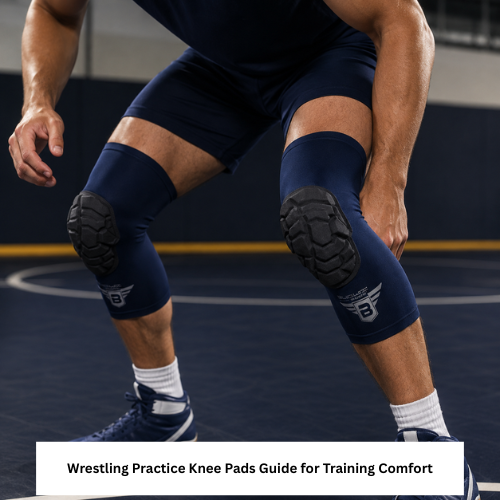
Wrestling practice knee pads should protect the knees during drilling, stance work, takedown practice, mat returns, and repeated movement without feeling bulky or distracting. The right wrestling practice knee pads should balance comfort, padding, breathability, durability, and secure fit for daily training.
Practice gear often wears faster than competition gear because athletes train more often than they compete. Wrestlers, parents, and coaches should check padding quality, sleeve stretch, seams, washing instructions, and replacement timing before buying.
Why Practice Knee Pads Matter
Wrestling practice can involve repeated mat contact, knee slides, shots, sprawls, and scrambles. Comfortable knee pads can help athletes focus on technique instead of irritation or slipping gear.
Knee pads do not replace proper training habits, coaching, warmups, or safe mats. They are one part of a smart practice setup.
How to Choose Wrestling Practice Knee Pads
Wrestling practice knee pads should be selected by training frequency, padding level, breathability, sleeve fit, washing needs, and the athlete’s movement style. Daily practice may require more durable materials and easier cleaning than occasional use.
Before buying, check:
- Padding thickness and coverage
- Sleeve stretch
- Breathability
- Seam quality
- Anti-slip fit if listed
- Youth or adult size chart
- Washing instructions
- Mat use suitability
- Replacement timing
- Return policy
| Feature | Best For | Buyer Benefit | Limitation | Verify Before Buying |
| Thicker padding | Frequent mat contact | More cushion | May feel bulkier | Flexibility and fit |
| Breathable sleeve | Long practices | Better comfort | May offer less structure | Material and stretch |
| Durable stitching | Team training | Longer use | Quality varies | Seam construction |
| Lightweight padding | Speed drills | Easier movement | Less cushion | Impact needs |
| Compression style | Secure fit | Less shifting | Fit must be exact | Size chart |
Practice Wrestling Gear Setup
Practice wrestling gear should include knee pads that fit securely, clean training clothes, wrestling shoes if required, headgear if used, and safe mat conditions. Knee pads should not twist, slide, or bunch behind the knee during drills.
For teams, it helps to inspect gear before each season and replace pads that no longer stay in place.
Durable Knee Pads for Daily Training
Durable knee pads should have reliable stitching, stable padding, and a sleeve that keeps its shape after repeated use. Practice pads should be checked more often because sweat, mat friction, and washing can wear them down.
For product comparison, review wrestling practice knee pad options and verify size chart, padding style, sleeve material, washing directions, and return policy before buying.
Wrestling Training Equipment and Mat Use
A wrestling training equipment setup should support safe practice habits. Knee pads, mats, shoes, headgear, and training dummies all have different roles, but none should be used as a shortcut for technique or supervision.
Knee pads should move with the athlete. If they restrict kneeling, penetration steps, or sprawls, they may not be the right style for practice.
Padded Knee Protection for Repeated Drills
Padded knee protection can help during repetitive drilling, especially for athletes who spend a lot of time on shots, mat work, and scrambles. The padding should cover the contact area without sliding away from the knee.
If padding flattens or shifts inside the sleeve, replace the knee pads or choose a stronger design.
Breathable Knee Pads and Sweat Control
Breathable knee pads can make long practices more comfortable by reducing heavy, trapped heat. Still, breathable material should also stay secure during quick movement.
Air out pads after practice. Do not leave sweaty gear in a closed bag because odor and material breakdown can happen faster.
Knee Safety During Practice
Knee safety depends on proper fit, safe mats, controlled drilling, good technique, and knowing when to stop. If an athlete feels pain, swelling, or instability, practice should pause and medical guidance may be needed.
At wrestling knee pads, athletes and coaches can compare knee pads, sleeves, braces, training gear, and mat protection options for regular practice routines.
Cleaning and Maintenance Advice
Practice pads need regular care because they absorb sweat and mat dust. Follow the care label to avoid damaging padding or elastic.
Maintenance tips:
- Air dry after each practice
- Wash only as directed
- Check seams weekly
- Inspect padding shape
- Keep a backup pair
- Store dry
- Replace stretched sleeves
- Do not use damaged pads for live training
Common Buying Mistakes
Avoid these mistakes:
- Buying competition-only pads for daily practice without checking durability
- Ignoring breathability
- Choosing too much padding for speed drills
- Not measuring before buying
- Skipping washing instructions
- Using worn-out pads too long
- Forgetting return policy and delivery timing
Troubleshooting Practice Gear Problems
If knee pads slip during drilling, check size and sleeve stretch. If the pad rubs, inspect seams, fit, and placement.
If the athlete overheats, consider a more breathable style. If padding feels flat, replace the knee pads before heavy contact sessions.
Practical Buying Checklist
Before buying, confirm:
- Size or fit: Knee measurement and sleeve fit match the size chart
- Compatibility: Works for practice, drilling, grappling, and mat movement
- Safety: Padding, grip, and comfort support safe training habits
- Material or build quality: Padding, seams, sleeve, and elastic look reliable
- Setup or installation: Easy to pull on, position, and adjust before practice
- Maintenance: Washing, drying, and odor control are manageable
- Warranty: Verify before buying
- Return policy: Check before ordering
- Replacement parts: Verify extra pairs, sleeve options, or team packs if listed
- Delivery or support: Confirm arrival before practice season
- Verify before buying: Do not assume injury prevention, exact fit, durability, or compression level
Conclusion
Wrestling practice knee pads should be comfortable enough for long sessions and durable enough for repeated mat contact. Compare padding, breathability, sleeve fit, washing needs, and return policy before choosing wrestling practice knee pads for training.
FAQ
What makes good wrestling practice knee pads?
Good practice pads should fit securely, offer enough padding, breathe well, and hold up to repeated use.
Are thicker knee pads better for practice?
They can help with cushion, but too much bulk may reduce movement comfort.
How often should practice knee pads be washed?
Follow the care label, but air them out after every practice.
Can one pair work for practice and competition?
Sometimes, but competition rules, comfort, and appearance needs should be checked.
When should practice knee pads be replaced?
Replace them when they slide, stretch out, lose padding shape, tear, or smell even after proper cleaning.
