Quick Answer
The right wrestling knee pad size should feel secure without cutting off circulation or sliding during shots, sprawls, and mat drills. Measure around the knee, compare the brand size chart, and choose a fit that supports movement rather than only maximum padding.
Wrestling athletes need gear that protects without interrupting movement. The right knee support should feel natural during stance work, shots, sprawls, and repeated mat drills. Because every wrestler trains differently, the best choice depends on fit, training intensity, and the type of contact the athlete faces most often.
This guide builds topical support for the main wrestling knee protection cluster. It is designed to help readers make a practical decision while connecting naturally to related resources, including dedicated wrestling knee pad options and supporting training guides across the site.
Why Knee Pad Sizing Matters in Wrestling
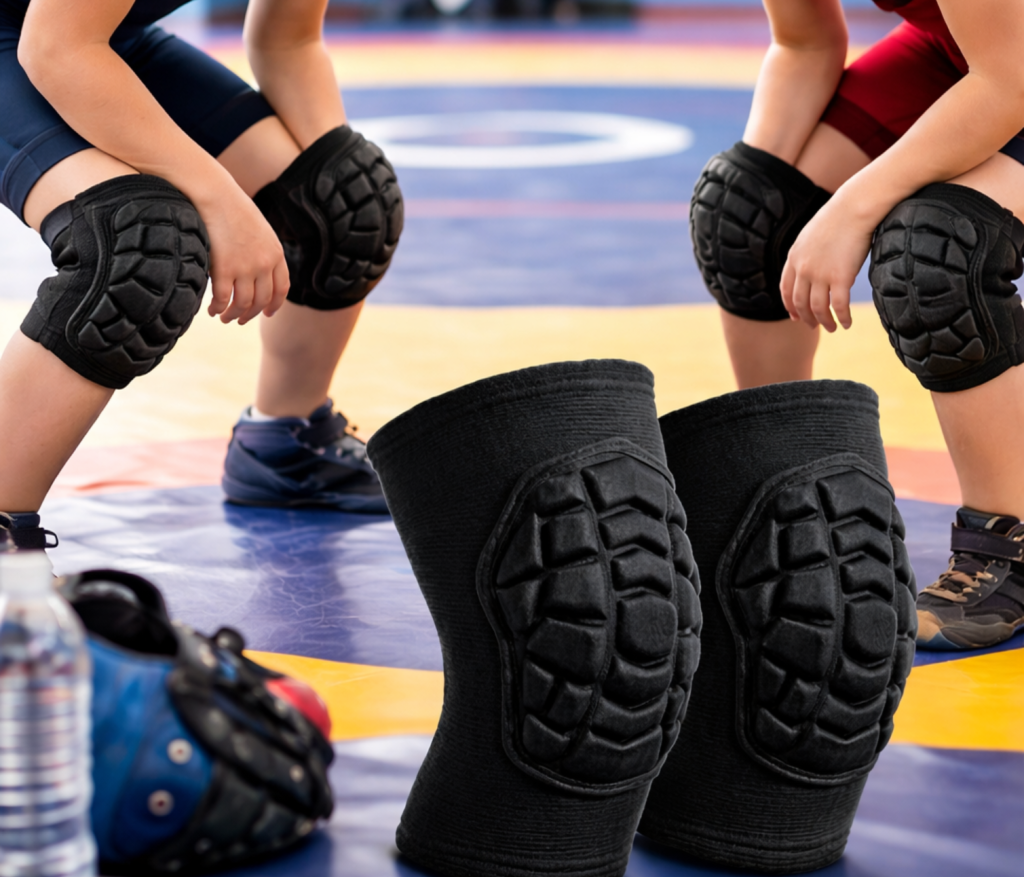
Wrestling knee pads are not just soft padding for the knee. They need to stay in place while an athlete changes levels, drives forward, pivots, and returns to stance. A loose pad can rotate during movement, while an overly tight pad can create discomfort before practice is finished.
Fit also affects confidence on the mat. When athletes trust their gear, they can focus on technique instead of adjusting their sleeve between drills. For broader protection planning, review this mat training support guide before choosing padding for daily practice.
A proper size should balance compression, flexibility, and coverage. The pad should cover the front of the knee without bunching behind the joint. This is especially important for athletes who spend repeated rounds practicing penetration steps, top control, and defensive reactions.
How to Measure for Wrestling Knee Pads
Start by measuring around the center of the knee while the leg is relaxed and slightly bent. Use a soft measuring tape, not a rigid ruler. If the athlete is between sizes, the better choice depends on body type, padding thickness, and how the product stretches after use.
Youth athletes may need a different approach than adults because they grow quickly and often practice several times per week. Parents should avoid buying too large only for future growth, because oversized pads often slip during live movement. This is one reason a complete beginner gear checklist can help families choose practical equipment together.
After measuring, compare the result with the product size chart. Do not assume small, medium, and large mean the same across every brand. Wrestling pads, volleyball-style pads, compression sleeves, and hybrid pads can all fit differently.
| Training Need | Best Fit Style | Why It Works |
| Beginner practice | Secure medium padding | Comfortable coverage helps athletes learn shots and mat movement. |
| Fast drilling | Lightweight close fit | Less bulk supports speed, stance changes, and footwork. |
| Youth athletes | Measured youth sizing | Correct fit prevents slipping during active practice. |
| Extra kneeling contact | More front cushioning | Helpful for repeated mat pressure and basic drills. |
| Warmth and support | Compression sleeve | Useful for joint awareness but not direct impact protection. |
Fit Signs: Too Tight, Too Loose, or Just Right
A pad is too tight if it leaves deep marks, limits bending, or feels uncomfortable after a short warmup. Tight gear can distract an athlete and may reduce natural movement. It should provide support, but it should not feel like a brace unless the product is designed for that role.
A pad is too loose if it slides below the kneecap, twists sideways, or needs constant pulling up between drills. Sliding usually means the sleeve opening is too wide, the fabric lacks grip, or the athlete needs a smaller size. Lightweight options can help, but only when the sizing is correct.
A good fit should remain stable during stance motion, shots, sprawls, and basic conditioning. Athletes who prefer speed should also compare lightweight mat-ready options before choosing heavier padding.
Padding Style and Coverage by Training Need
Not every wrestler needs the same pad style. A beginner may want extra front-knee cushioning, while an advanced athlete may prefer a lower-profile pad that does not interrupt movement. Athletes returning from soreness may prefer a combination of padding and compression.
Traditional wrestling knee pads usually provide a close fit and strong movement control. Volleyball-style knee pads may offer more cushion for repeated kneeling, but the fit can feel bulkier during some wrestling positions. For that exact comparison, see this wrestling-focused knee pad comparison.
Compression sleeves are another option for athletes who want warmth and joint awareness rather than direct impact padding. They are useful in some training situations, but they do not replace true knee pad protection for heavy mat contact. The athlete sleeve guide explains that difference in more detail.
Final Verdict: Choose Fit Before Features
The best wrestling knee pads are not always the thickest or most expensive. The best choice is the one that fits correctly, protects the right area, and stays secure during real mat movement. Start with sizing, then compare padding, sleeve grip, and practice style.
For most athletes, a secure medium-profile wrestling pad is the safest first choice. Youth wrestlers, fast movers, and athletes using home mats may need slightly different options, but the core rule stays the same. Fit comes first, and every other feature should support that fit.
FAQs
They should feel secure without cutting off circulation. A good fit stays centered over the knee during shots, sprawls, and stance motion.
Do not size up too much. Oversized pads can slide during practice, so choose the size that fits now and allows normal movement.
Not always. Tight pads may feel secure at first, but they can restrict bending and become uncomfortable during longer sessions.
Compression sleeves support warmth and joint awareness, but they do not provide the same impact padding as wrestling knee pads.
