

Quick Answer
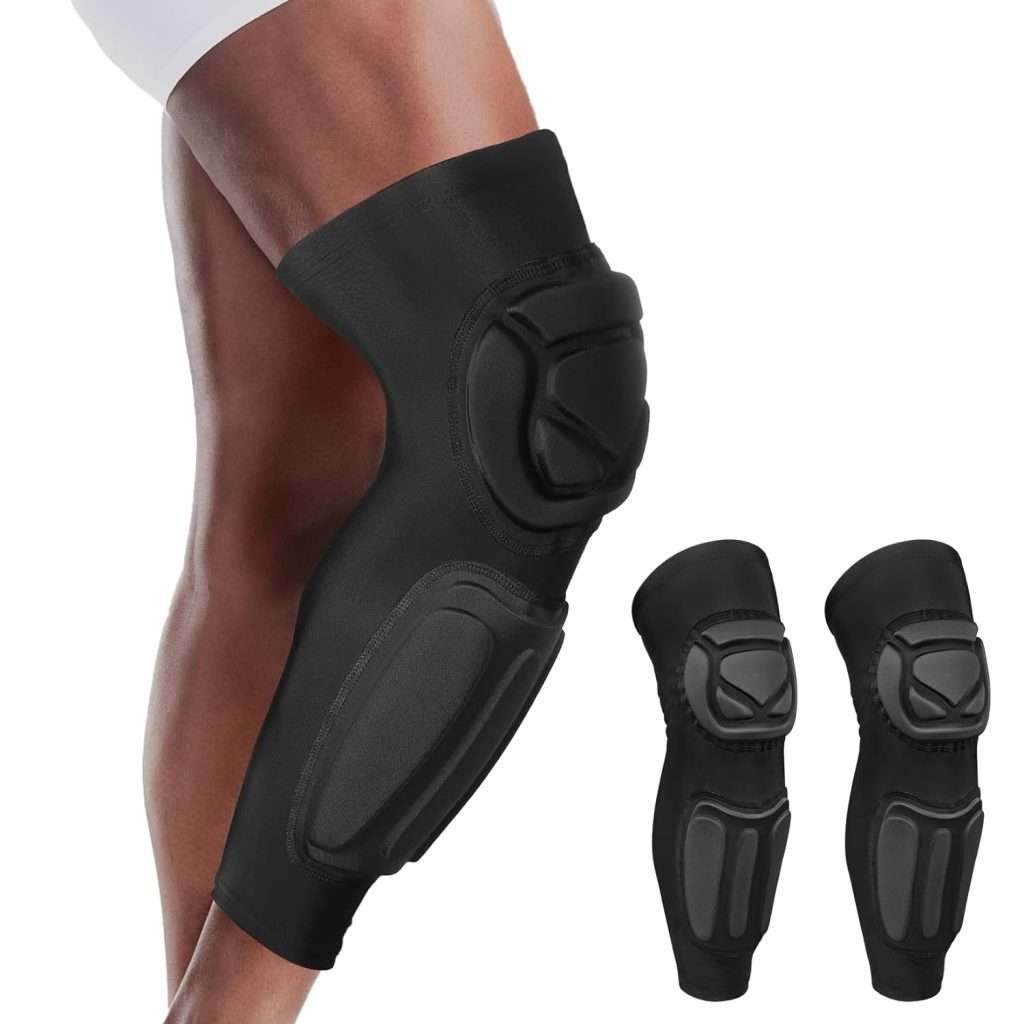
Wrestling knee pads are better when the athlete needs direct impact protection during mat contact, shots, and kneeling drills. Knee sleeves are better for compression, warmth, and light joint support, but they do not replace impact padding for wrestling practice.
Wrestling athletes need gear that protects without interrupting movement. The right knee support should feel natural during stance work, shots, sprawls, and repeated mat drills. Because every wrestler trains differently, the best choice depends on fit, training intensity, and the type of contact the athlete faces most often.
This guide builds topical support for the main wrestling knee protection cluster. It is designed to help readers make a practical decision while connecting naturally to related resources, including dedicated wrestling knee pad options and supporting training guides across the site.
The Main Difference Between Pads and Sleeves
Wrestling knee pads and knee sleeves may look similar, but they solve different problems. Knee pads are designed to cushion impact and reduce mat friction. Knee sleeves are designed to provide compression, warmth, and a secure feeling around the joint.
That difference matters during practice. A wrestler drilling shots may need padding on the front of the knee, while an athlete doing conditioning may prefer flexible compression. For athletes focused on protection during mat work, this mat support article offers a helpful starting point.
Choosing the wrong option can make practice less comfortable. A sleeve may feel great during warmups but offer limited cushion during repeated kneeling. A bulky pad may protect well, but it may feel unnecessary for light movement training.
When Wrestling Knee Pads Are the Better Choice
Knee pads are usually the better option for live wrestling, beginner drills, takedown practice, and repeated mat contact. They help soften pressure when the knee hits the mat and can reduce irritation from sliding. Wrestlers who shoot often usually benefit from dedicated padding.
They are also useful for youth athletes who are still learning body control. Younger wrestlers may drop to the mat harder while practicing new positions, so padding can make the learning process more comfortable. Parents building a training setup can pair pads with a youth gear starter plan for safer preparation.
The tradeoff is bulk. Some athletes dislike thick pads because they can feel warm or restrictive. In that case, a lower-profile wrestling pad or a lighter model may be a better fit.
| Feature | Wrestling Knee Pads | Knee Sleeves |
| Primary purpose | Impact protection and mat contact | Compression, warmth, and light support |
| Best for | Shots, sprawls, kneeling drills, live rounds | Warmups, conditioning, lifting, lighter practice |
| Padding level | Moderate to high | Low unless hybrid padded |
| Mobility feel | Can vary by thickness | Usually flexible and close fitting |
| Best first choice for beginners | Usually yes | Only for light support needs |
When Knee Sleeves Make More Sense
Knee sleeves make sense when the athlete wants compression rather than cushioning. They can provide warmth during warmups, light support during lifting, and a stable feel during conditioning. They may also be easier to wear under other gear.
Sleeves are not ideal when the main concern is direct mat impact. They usually do not have enough front padding to protect the kneecap from repeated hard contact. For more detail, the compression sleeve buying guide explains how athletes should think about support, flexibility, and training use.
Some wrestlers keep both options in their gear bag. They may use sleeves for warmups and conditioning, then switch to knee pads for live wrestling or technique-heavy practice.
Movement, Comfort, and Practice Intensity
Movement should guide the final decision. If the athlete feels restricted by heavy padding, a slimmer pad or sleeve may be better. If the athlete feels exposed during shots, a sleeve alone probably is not enough.
Practice intensity also matters. Light drilling, mobility work, and strength training may not require direct padding. However, live rounds, knee-slide drills, and repeated takedown entries usually call for more protection. A good knee safety strategy for wrestling should combine gear choice with warmups and technique.
Athletes should test gear during realistic movement, not only while standing still. Stance motion, sprawls, and shot entries reveal whether a product stays in place.
Final Verdict: Most Wrestlers Benefit From Both
For most wrestling athletes, knee pads and knee sleeves are not direct replacements. They work best as separate tools. Pads protect against contact, while sleeves support warmth and compression.
Beginners and youth athletes should usually start with wrestling knee pads because mat impact is common during skill development. Older athletes or those doing mixed training may also keep sleeves for conditioning and recovery-focused days. The best choice depends on training intensity, comfort, and fit.
FAQs
Knee sleeves can help with compression and warmth, but they do not provide the same impact protection as wrestling knee pads.
Many wrestlers benefit from knee pads for mat contact. Sleeves can be useful for conditioning, warmups, or light support.
Some athletes can wear thin sleeves under pads, but the fit must remain comfortable and should not restrict movement.
Beginners usually benefit more from wrestling knee pads because they often spend more time learning shots and mat contact drills.
