Quick Answer
The best wrestling knee pads for beginners should be comfortable, secure, flexible, and protective enough for repeated mat contact. New athletes should avoid oversized pads, overly bulky designs, and products that slide during basic shots or stance drills.
Wrestling athletes need gear that protects without interrupting movement. The right knee support should feel natural during stance work, shots, sprawls, and repeated mat drills. Because every wrestler trains differently, the best choice depends on fit, training intensity, and the type of contact the athlete faces most often.
This guide builds topical support for the main wrestling knee protection cluster. It is designed to help readers make a practical decision while connecting naturally to related resources, including dedicated wrestling knee pad options and supporting training guides across the site.
Why Beginners Need the Right Knee Pads
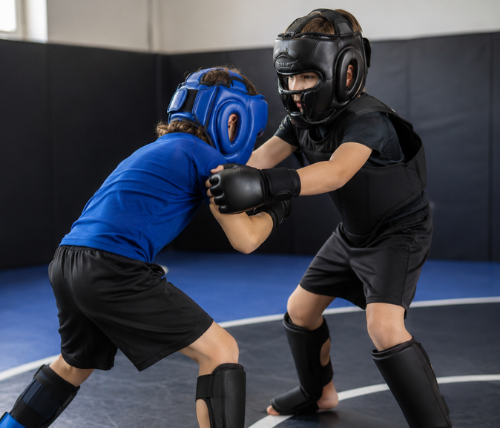
Beginners spend a lot of time repeating fundamentals. They practice stance, level changes, shots, sprawls, and basic mat returns. Because these movements often involve knee contact, the right pads can make practice feel safer and more comfortable.
New wrestlers may also hit the mat harder because their technique is still developing. Good padding does not replace coaching, but it can reduce discomfort while the athlete learns control. A broader knee protection plan for mat training can help new athletes build better habits from the start.
The best beginner option is usually not the most advanced model. It is the product that fits well, stays in place, and gives enough cushion without limiting movement.
Fit Comes Before Padding Thickness
Many beginners look for the thickest knee pad first. That is understandable, but fit matters more. A thick pad that slides or twists can distract the wrestler and reduce protection during real movement.
A beginner pad should stay centered during stance motion and basic shots. It should bend naturally behind the knee and should not leave painful pressure marks. For athletes unsure about sizing, this knee pad sizing guide should be used as a simple measuring reference before buying.
If the athlete is still growing, choose a size that fits now rather than a much larger size for later. Oversized gear often causes more problems than it solves.
| Beginner Need | Recommended Feature | Reason |
| Learning shots | Front knee cushioning | Helps reduce discomfort during repeated entries. |
| Fast movement | Flexible sleeve fit | Supports stance changes and footwork. |
| Youth practice | Secure measured sizing | Keeps pads from sliding during drills. |
| Long sessions | Breathable material | Improves comfort during warm practices. |
| First gear setup | Simple medium profile | Protective without feeling too bulky. |
What Beginners Should Look For
Beginner-friendly wrestling knee pads should offer balanced padding, flexible fabric, and a non-slip fit. A low-to-medium profile design is usually easier for new athletes because it protects without feeling bulky.
Breathability is also important. Wrestling practice can be hot, and uncomfortable gear often ends up unused. Lightweight options can help athletes move freely, especially during longer practices. See these fast-movement kneepad ideas for a better understanding of low-bulk protection.
Durability matters too. Beginners may drag the knee, slide across the mat, or adjust position often. A pad should handle regular contact without stretching out after a few sessions.
Youth Beginners vs Adult Beginners
Youth beginners usually need extra focus on comfort and secure fit. If gear feels awkward, young athletes may resist wearing it. Parents should choose simple, reliable equipment before adding extra accessories.
Adult beginners may care more about joint comfort, breathability, and fit during longer sessions. Some adult athletes may also compare compression options, especially if they train for multiple sports. However, true knee pads are still better when mat impact is the main concern.
Families preparing for a first season can combine knee pads with essential beginner wrestling gear, protective headgear, and appropriate practice clothing. That creates a more complete setup without overbuying.
Common Beginner Buying Mistakes
The first mistake is buying pads that are too large. The second is buying pads only because they look heavily padded. The third is ignoring the type of practice the athlete will actually do.
Some beginners also choose volleyball-style pads without understanding the tradeoff. Those pads can provide good cushion, but they may feel different during wrestling movement. This volleyball-style wrestling comparison can help athletes decide when that design makes sense.
Beginners should also avoid relying only on product photos. Read sizing details, compare material, and think about the athlete’s practice routine before choosing.
Final Verdict: Start Simple and Fit-Focused
The best wrestling knee pads for beginners are secure, comfortable, and easy to move in. A simple medium-profile pad is usually the best first choice for most athletes. It gives enough protection without adding unnecessary bulk.
As the wrestler gains experience, they can adjust gear based on speed, style, and training intensity. The first goal should be confidence on the mat, not complicated equipment. Choose fit first, then compare padding and durability.
FAQs
Yes, many beginners benefit from knee pads because they practice repeated shots, sprawls, and mat drills while learning body control.
A secure medium-profile wrestling knee pad is usually best because it balances protection, comfort, and movement.
Youth wrestlers need enough padding for comfort, but overly thick pads can feel bulky and may limit movement.
They can work for some drills, but wrestling-specific pads usually fit mat movement better and stay more secure during practice.
